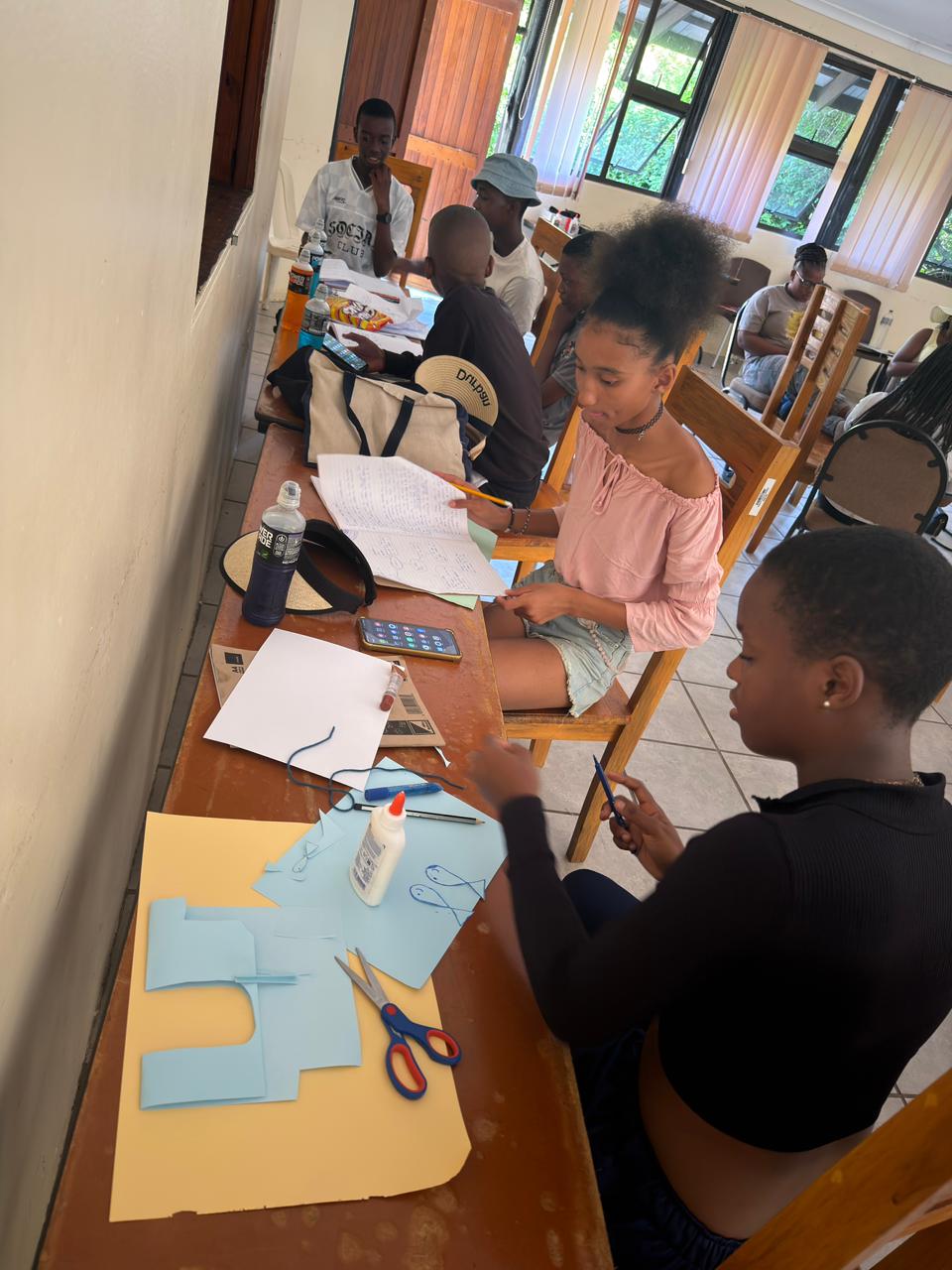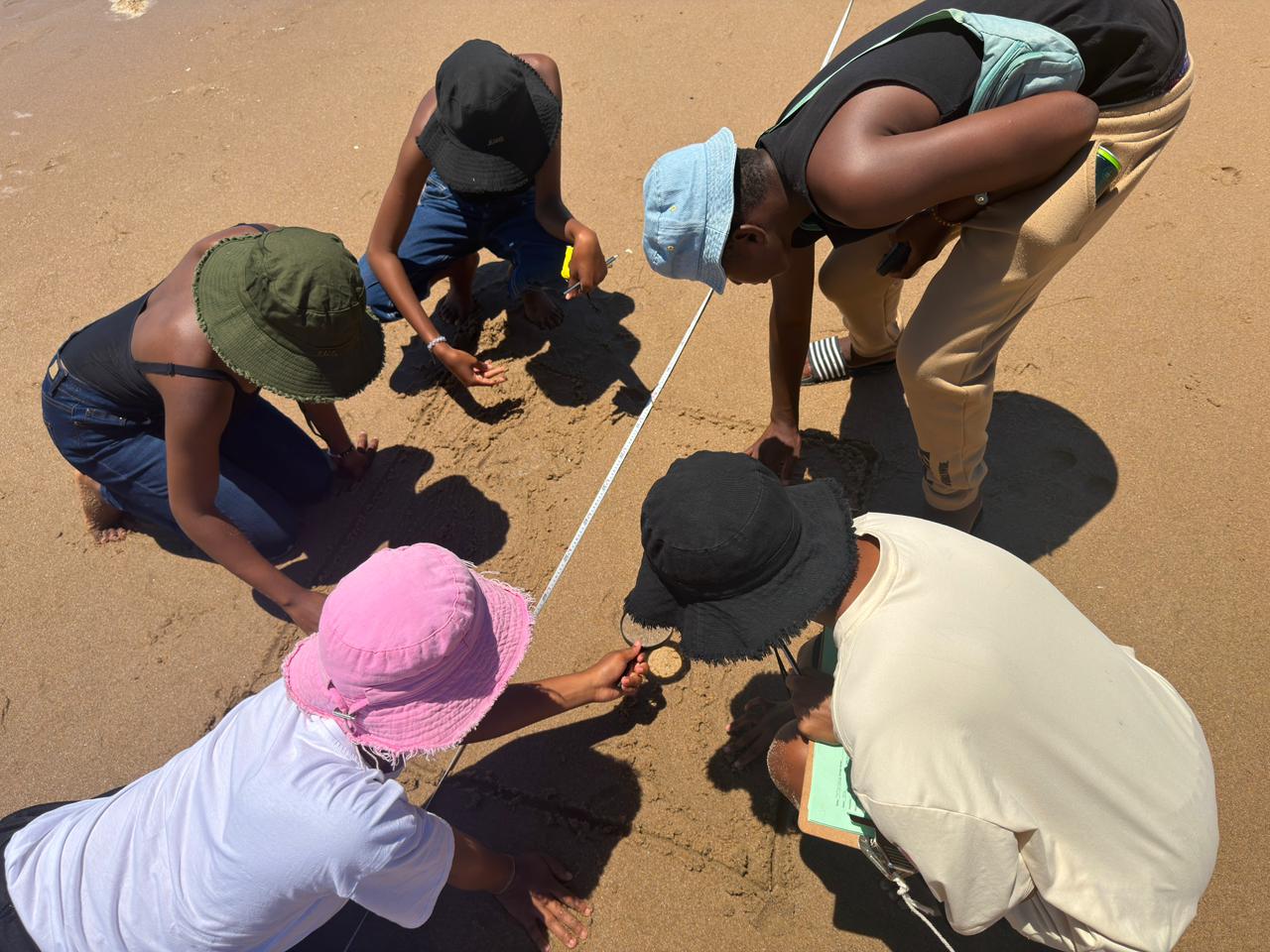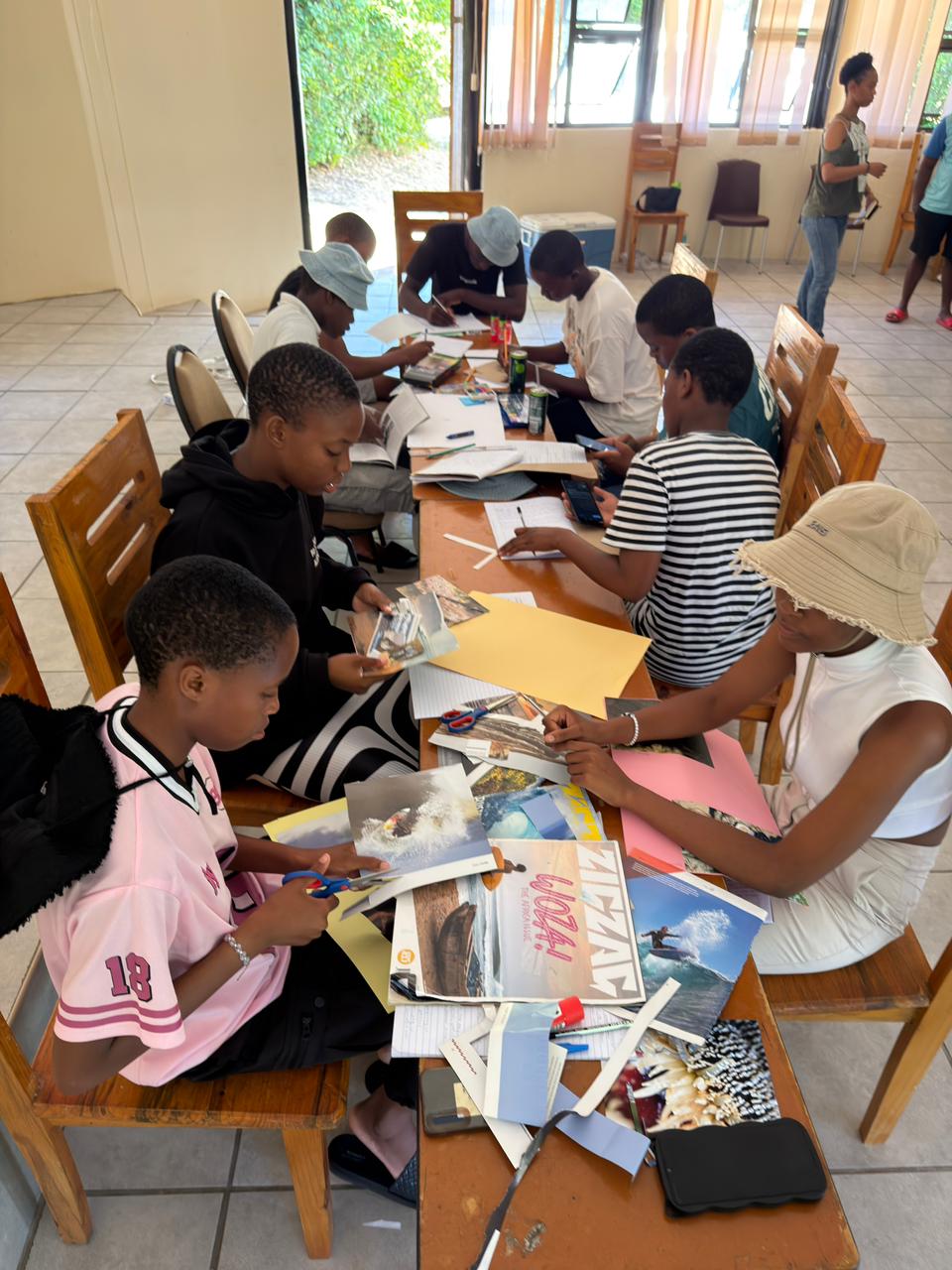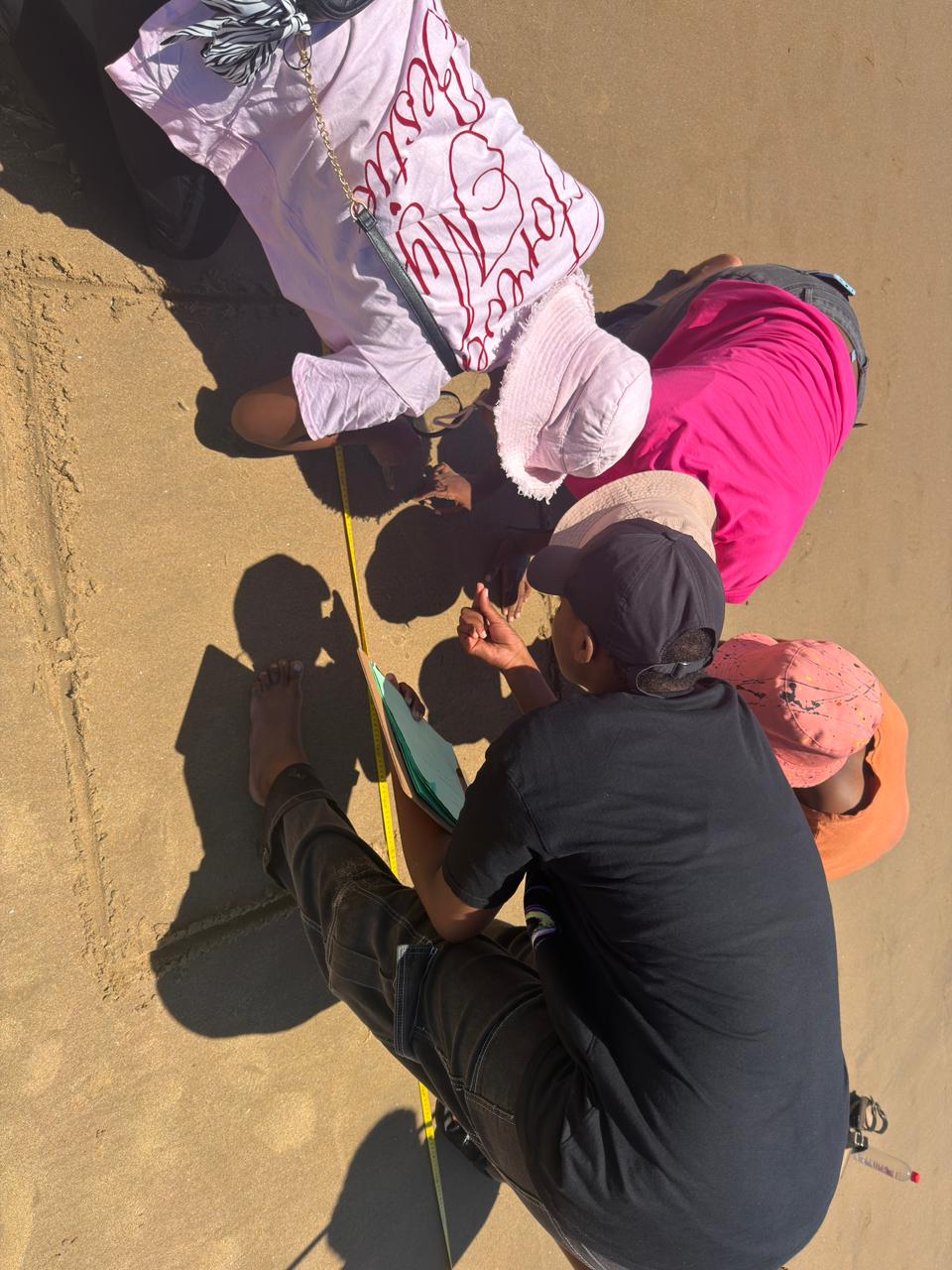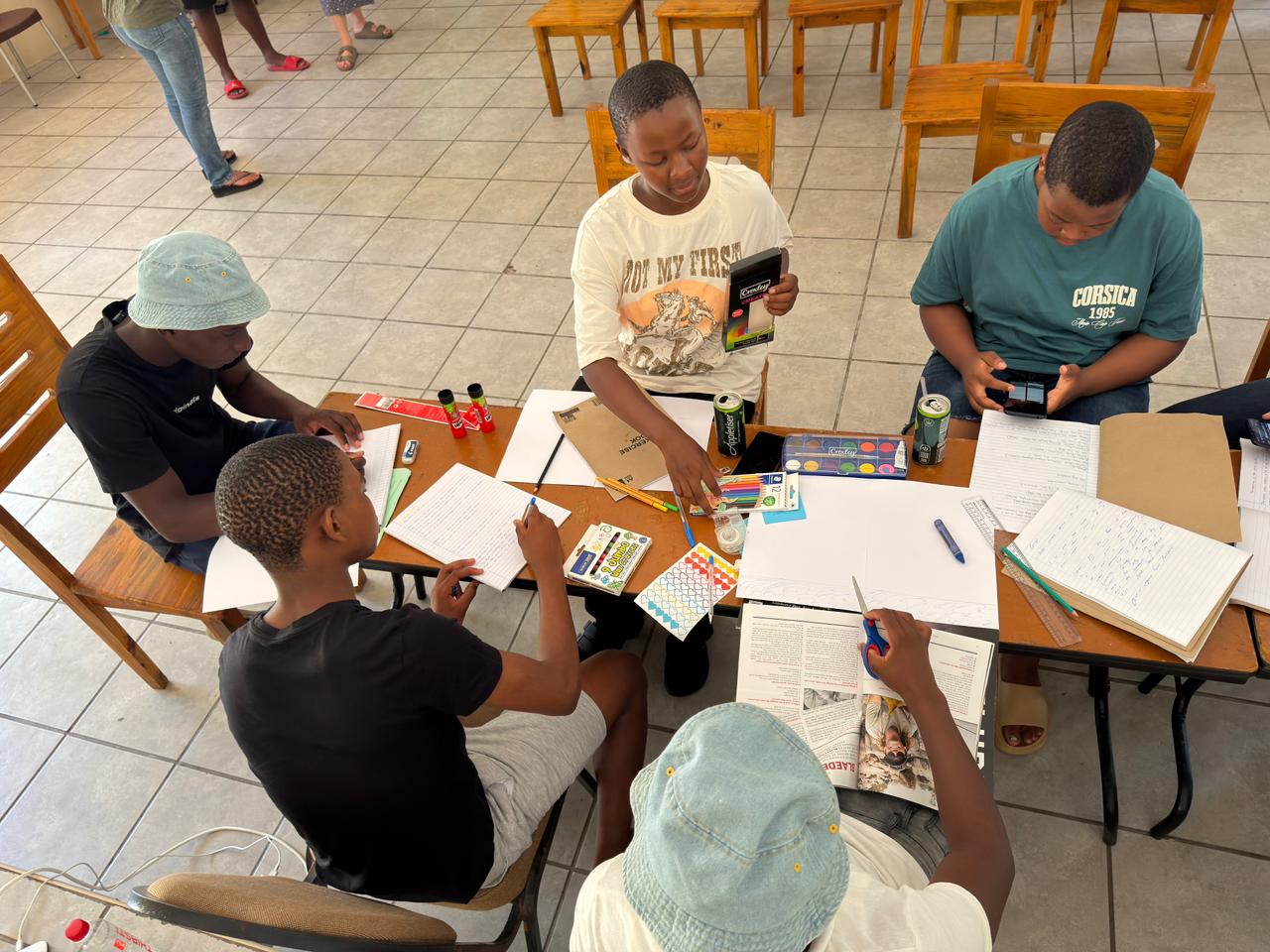
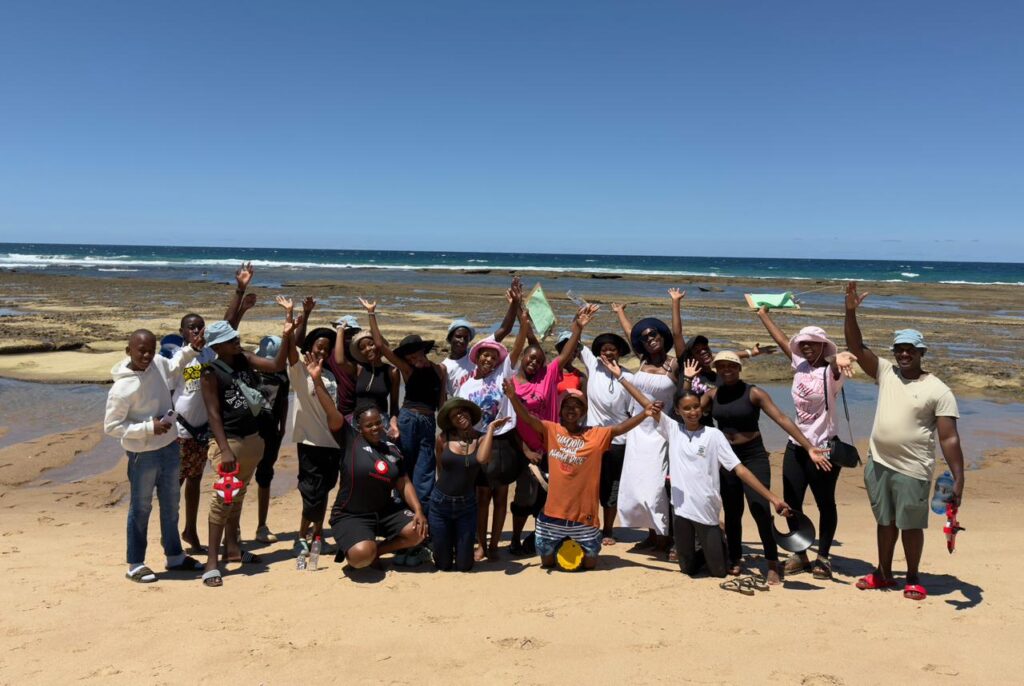
Nelson Mandela University in partnership with NRF-SAEON is hosting the Blue Schools camp from 03-06 February with grade 10 & 11 learners from MCP schools. The main purpose of this workshop is to engage learners about their own knowledge about and connections to the ocean, through experiential learning and arts-based methods. The workshop highlights the importance of including the social sciences in ocean engagements, and in the Blue Schools curriculum, by focusing on learners’ stories about, interests in and perspectives on the ocean. The workshop does so by incorporating arts-based methodologies into the Blue Schools Programme. In this manner, the children can build on what they have already learnt about the ocean through a scientific lens and methodology and additionally use their own knowledge and experiences of the ocean to portray their stories of what the ocean might mean to them through creative means. The learners are free to utilise any arts-based methods available, including collage work, poetry, photo-voice, short stories, painting, photography, film, posters, and more. These are later presented by the learners themselves, where they have a chance to share their art with the class and discuss what their experiences, relationships, or lack of connection with the ocean might entail.
Limited work has been done to meaningfully address the needs, perspectives, and lived experiences of children within ocean governance frameworks. It has become increasingly important to consider the pluralities of ways in which children, local communities, Indigenous Peoples, and individuals understand, relate to, and value the ocean, especially as ocean-related challenges intensify. These perspectives are shaped by cultures, histories, identities, and place, and are often inadequately considered and celebrated within ocean governance processes that prioritise ecological or economic knowledge and priorities. By increasing the role of the social sciences within the current Blue Schools Programme, particularly focusing on the lived experiences and perspectives of youth, a more holistic understanding and stewarding of the marine environment can be fostered. What has been identified through this workshop in Sodwana Bay (KZN) in February 2026, as well as the preceding one near Ocean View (WC) in December 2025, highlight that many learners have limited exposure to social science concepts, methods and approaches. As a result, their understandings of the ocean are largely framed through a natural science lens, focusing on biological systems and conservation outcomes, but not considering the social dimensions, power dynamics and human-ocean connections. However, the use of arts-based methodologies has revealed a strong sense, and often unarticulated desire among learners to connect with the ocean in emotional, cultural, and imaginative ways. This allows for a deeper understanding and expansion of a plurality of ocean literacies that fosters belonging, care, and supports more inclusive approaches to ocean education and ocean governance.