Environmental Science
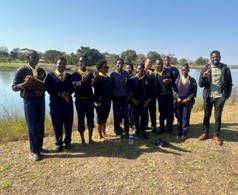
Building a Science Community at School? at the beginning of 2026, Ndamulelo wanted to share the Blue Schools opportunity with other learners. With his teacher’s support, they established a Blue Schools Club within their school’s Science Club, and Ndamulelo was honoured to serve as Chairperson. The club’s goal was to move beyond textbook theory and actively practice science. From curiosity to problem solving, this is the science journey of Mr Ndamulelo Netshikovhela, a Grade 11 learner from Thengwe High School, Limpopo Province.
How a simple question about a river turned into a passion for marine science and inspired a community of young researchers. There are places you find by accident, and places that somehow find you. For Ndamulelo, the Blue Schools Programme was one of those life-changing discoveries; “for years, I searched for a space where I belonged, a place to connect with people with curiosity, passionate about science, and willing to ask tough questions. When I joined Blue Schools, it immediately felt like home”.
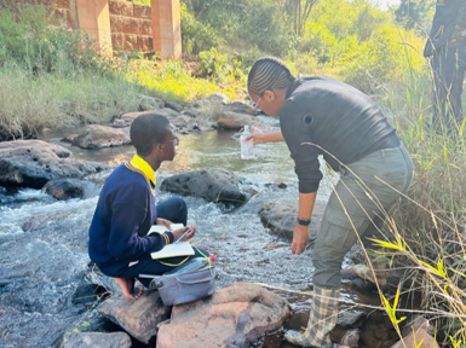
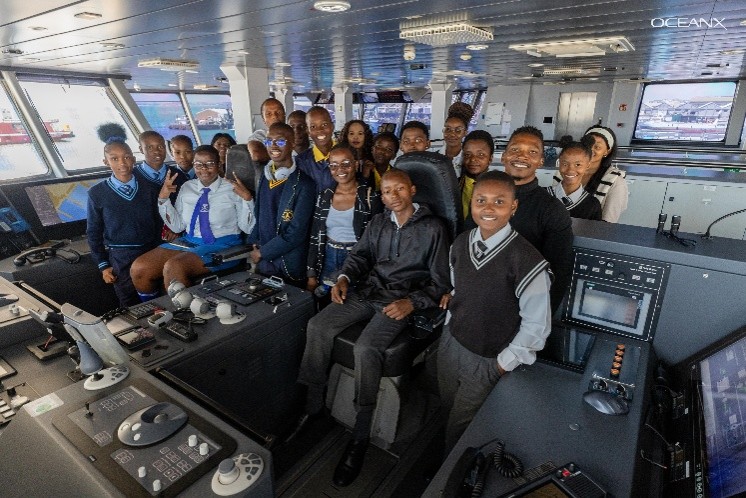
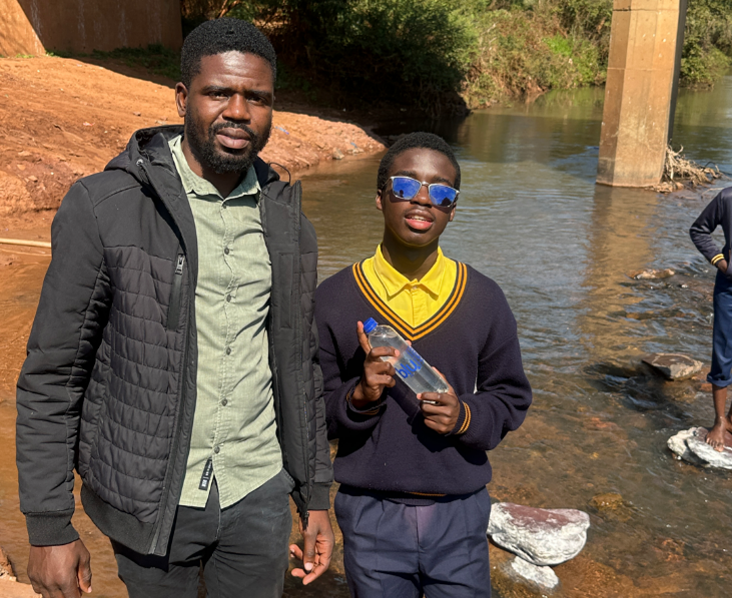
This journey began in February 2025 at a Blue Schools workshop in Cape Town, surrounded by passionate peers and ocean experts. Ndamulelo highlights that growing up, “I always heard about terrestrial ecosystems, but the explorers at the workshop challenged me to look underwater: Why don’t we give our oceans and aquatic environments the same attention as land ecosystems?” That question stayed with him. Soon after, a casual debate with a friend about the strange “green thingy” in local rivers sparked an entire research project on algal blooms in the Mutshindudi River in Limpopop for the 2025 Blue Schools Programme.
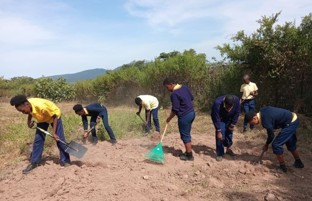
With guidance from mentors like Prof F. Mathivha from the University of Limpopo, Ndamulelo learned proper data collection and scientific reporting. This experience culminated in winning the Best Learner project and presentation award at the Blue Schools Conference 2025. Beyond the accolade, the true reward was discovering his own place in the scientific community. While not every project went as planned, such as a school garden initiative that succumbed to exam season, the trial-and-error process taught valuable environmental lessons. Despite resource constraints and limited testing equipment, through financial support for water testing kits from family, the club members successfully completed their 2026 Blue Schools Journey.
Inspiring Future Careers in Aquatic Science, the lasting impact of the programme lies in the lives it transformed. Approximately 30% of participating learners have expressed interest in pursuing careers in Marine Science, fields many had never encountered before. Exposure remains the key to unlocking potential; you cannot dream about a career you do not know exists. Ndamulelo is planning in the future to combine Marine Science and Economics, with aspirations for postgraduate research. “Blue Schools didn’t just teach me about aquatic ecosystems, it showed me that I belong in science and empowered me to bring others along with me”, Ndamulelo said in closing.
NRF-SAEON is the host for Blue Schools in South Africa which is funded by the Department of Science Technology and Innovation.
Once you go Blue, you can never go back. 🌊💙